Description
Sony PS-HX500 – Belt Drive Turntable
The latest affordable turntable to hit the market heralds a return for a big name, but with sophistacated vinyl-to-DSD ripping software onboard, the PS-HX500 offers more than most
If you’re in any doubt that vinyl has returned to almost mainstream status, the latest turntable to join the format’s rapidly growing ranks should remove any uncertainty as to its popularity. The rather unassuming PS-HX500 deck is made by Sony, the company that jointly developed the compact disc and worked hard to commercialise the SACD format.
The fact that the PS-HX500 exists at all is a fairly clear indicator that the Japanese giant sees which way the wind is blowing, and demonstrates the entertainment brand’s continued commitment to hi-fi.
Of course, Sony has also been working hard to provide a cohesive range of audio products that demonstrate the advantages of high-resolution digital and in order for the new deck to fit into this brave new world, it’s equipped with the ability to rip vinyl to digital files via USB and some nifty software. This is not unusual in itself, of course – we have seen a few turntables capable of performing similar tasks in recent months – but the scope of the Sony’s abilities are rather more ambitious and as well as ripping files in PCM at rates up to 24-bit/192kHz, it can also do DSD at 2.8MHz and 5.6MHz.
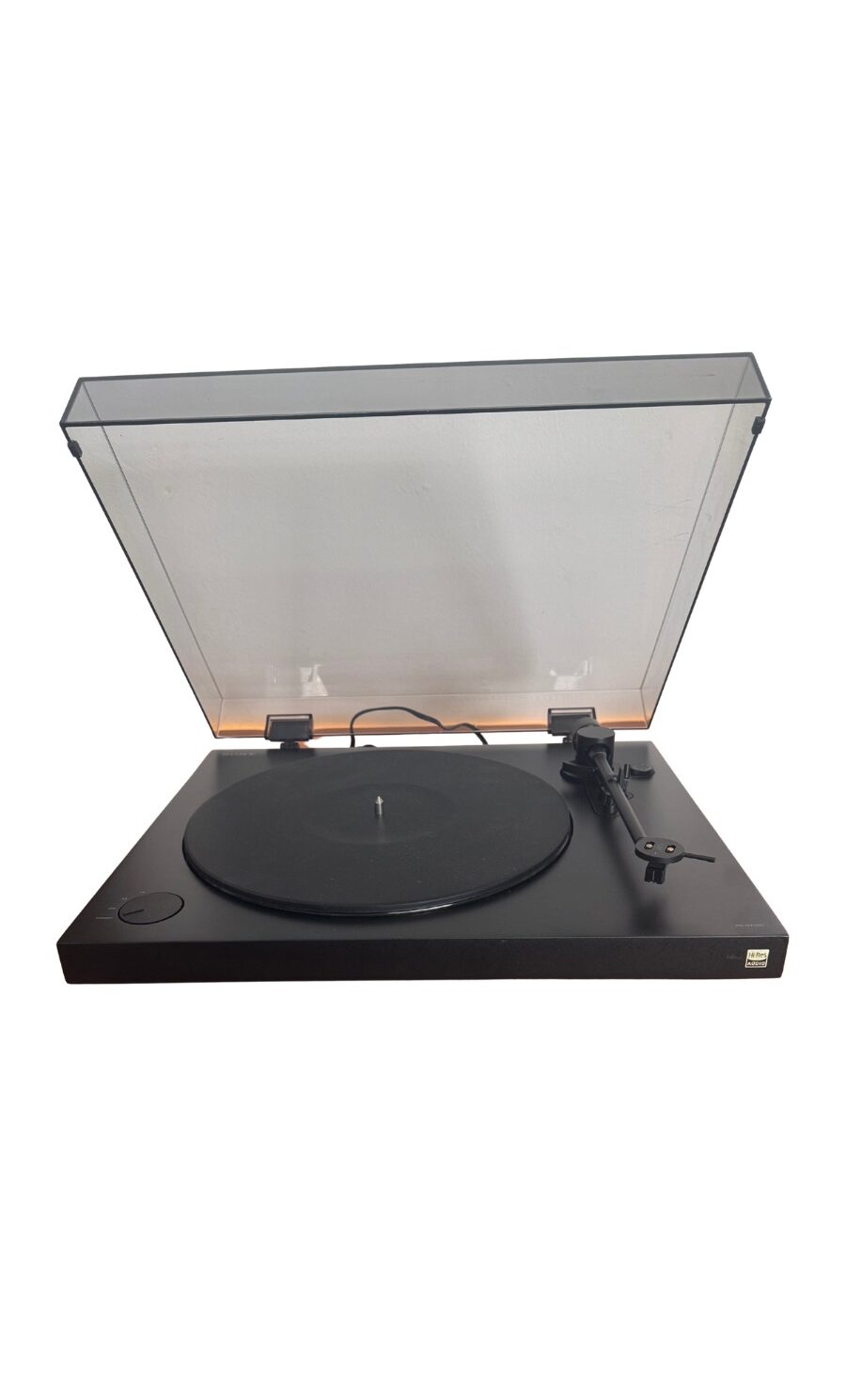
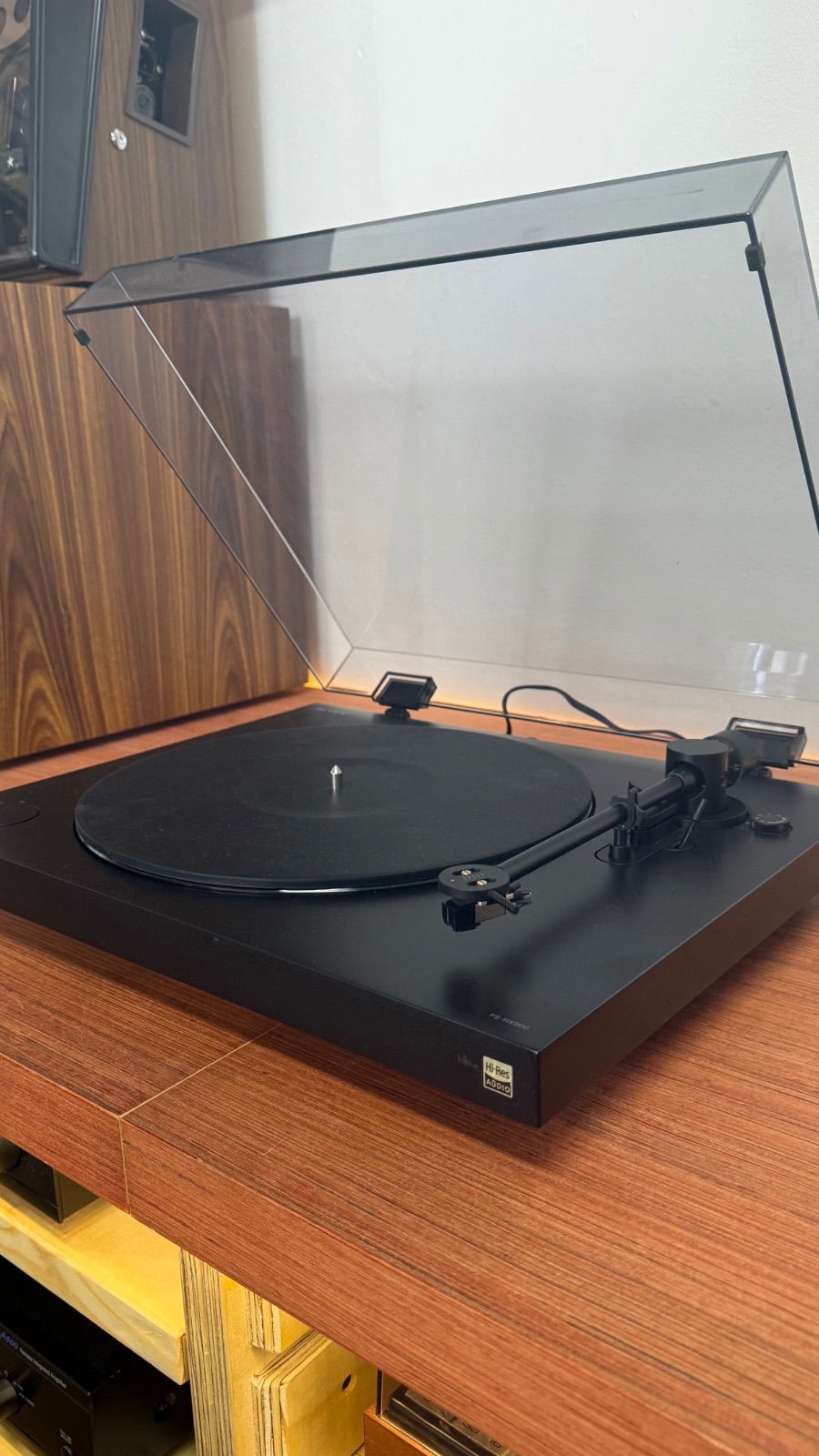
The PS-HX500 is a relatively conventional unsuspended belt-drive design with electronic speed adjustment and a built-in switchable moving-magnet phono stage. The platter is interesting in that it is partially recessed into the plinth reducing the thin profile even further. Made from aluminium, it’s topped with a 5mm-thick rubber mat to act as a damping surface and decoupler. Even with this in place, it’s barely raised above the plinth.
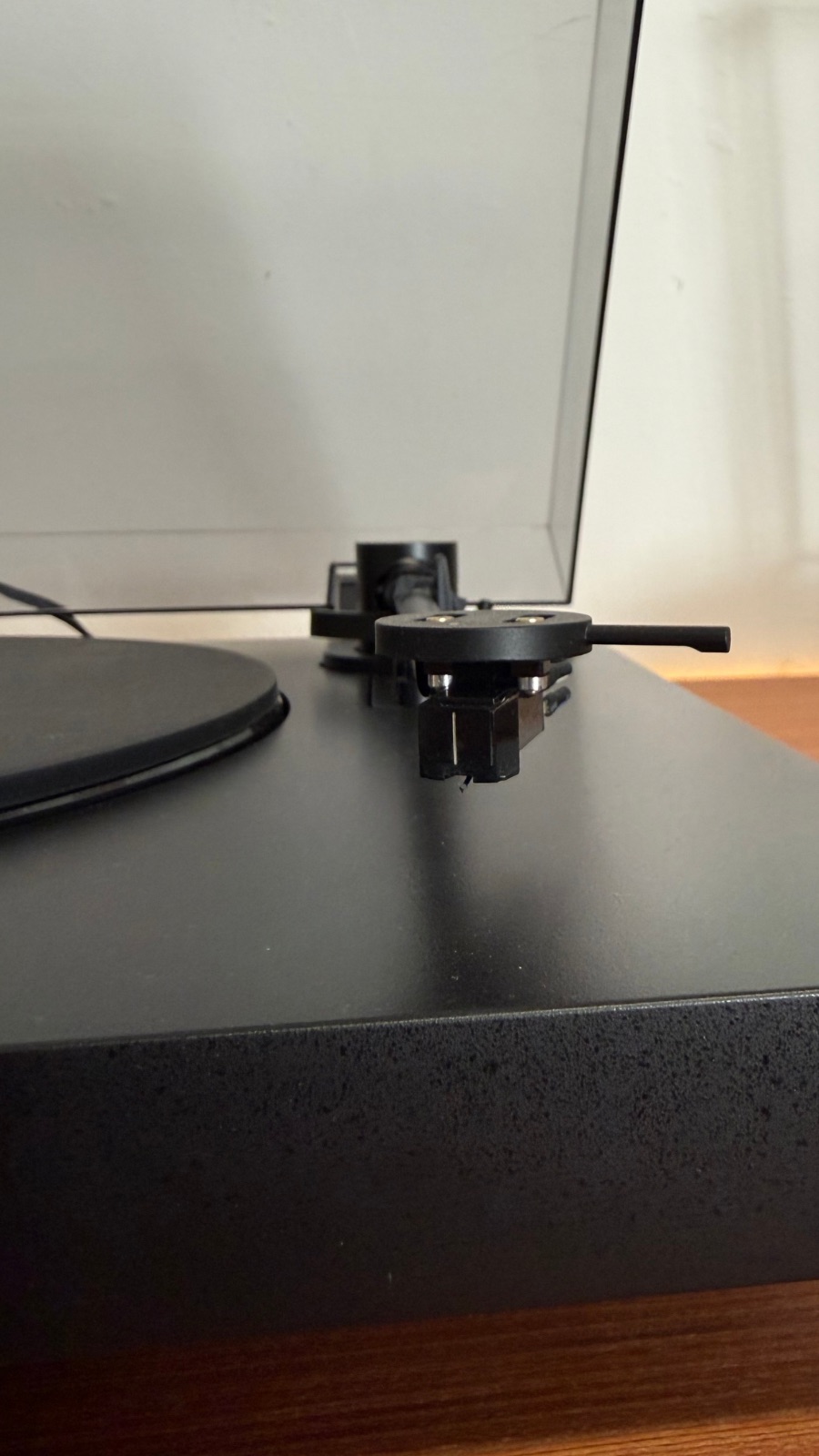
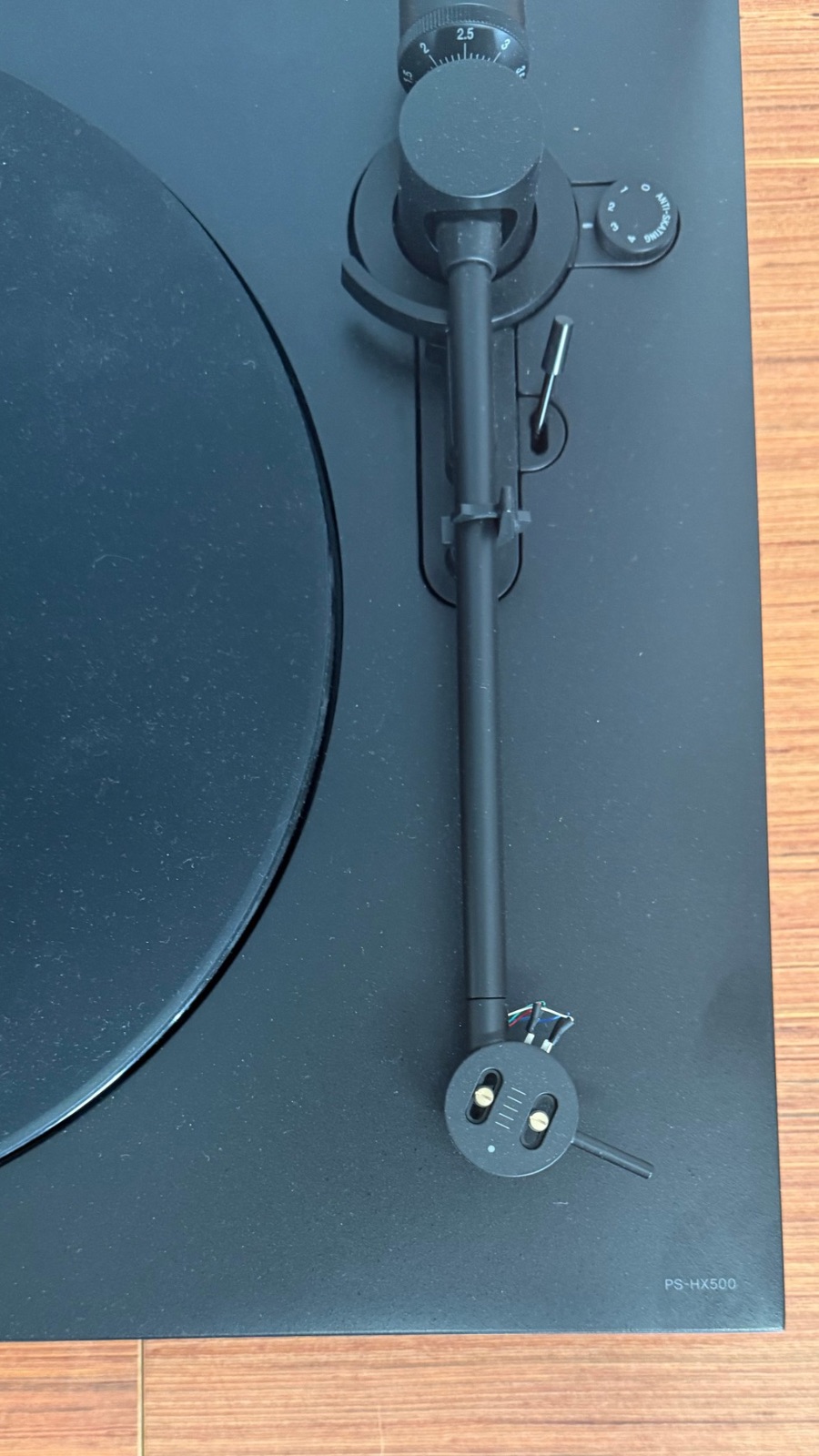
The tonearm is slightly unusual for a deck of Japanese origin in that it uses a straight arm tube and fixed headshell, both of which are more readily identified as European traits. This comes equipped with a moving-magnet cartridge that has more than a passing resemblance to a Grado design, but is completely free of any markings. The arm has no VTA adjustment, but does come with both an adjustable counterweight and anti-skate to allow for the fitting of another cartridge if required.
The plinth is 30mm-thick MDF, which Sony claims gives it impressive resistance to external interference. This is aided by the use of feet that include a bespoke damping system that does a creditable job of keeping the PS-HX500 isolated from the outside world. As a final welcome addition, Sony provides a lid inclusive in the cost.